Ichthys Diving

Our Pond Cleaning Process

How our pond cleaning system works.

Ichthys Diving offers an innovative and cost-effective sediment removal solution that sets us apart from traditional mechanical dredging. Our method works without draining your pond or relocating aquatic life, preserving the delicate ecosystem. Unlike mechanical digging, which can damage pond liners and alter your pond’s design, our approach requires no heavy equipment, leaving your landscape untouched. With precise sediment placement, we ensure your pond is restored efficiently, without the need for extensive permitting or disruption to your property.
Ichthys Pond Cleaning Process

What You Can Expect

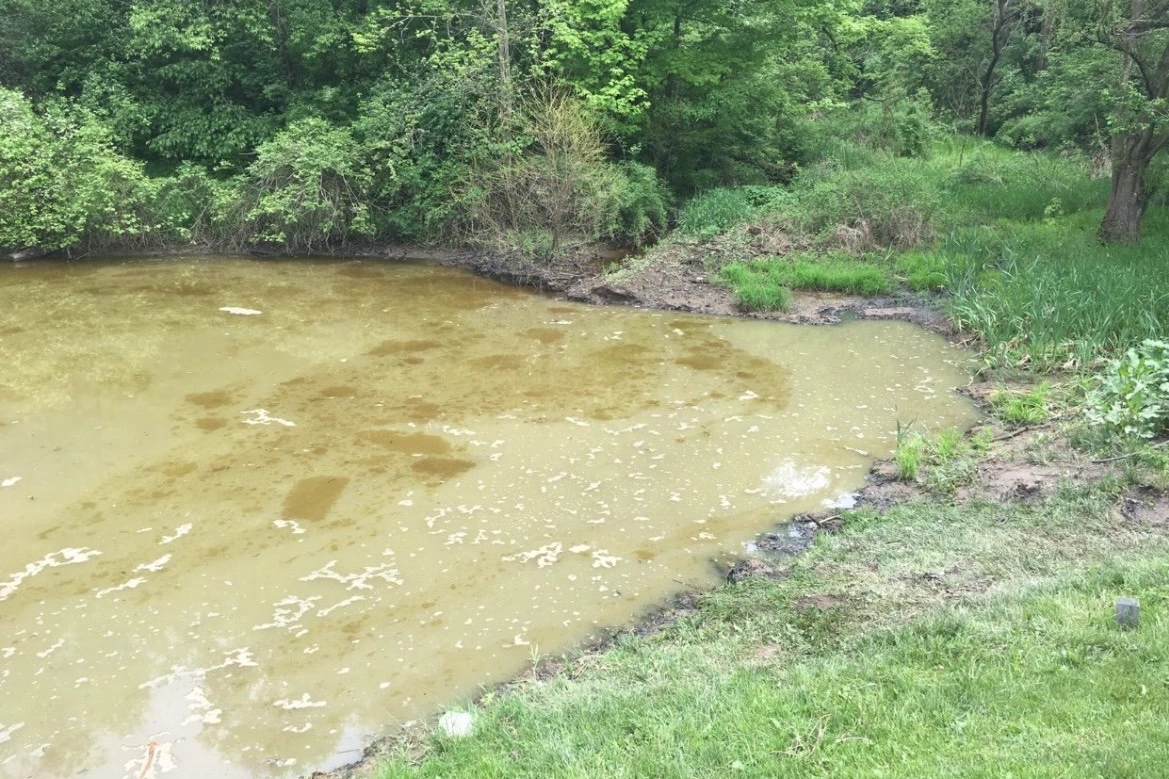
Clean Pond Before

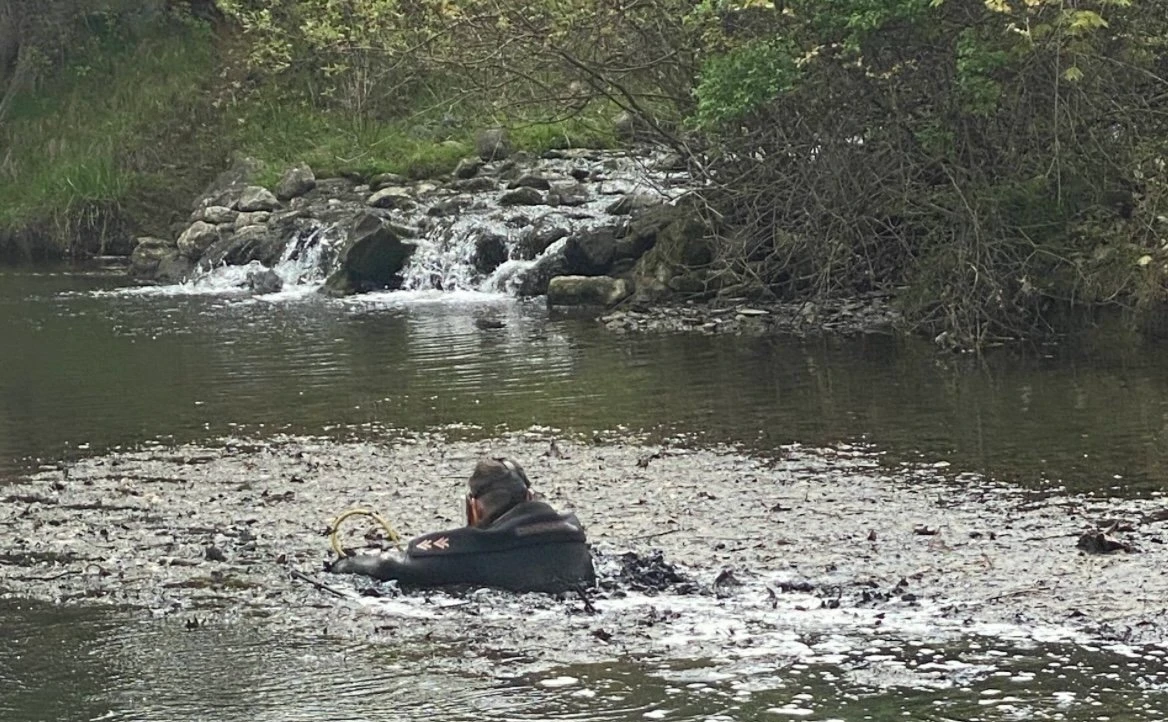
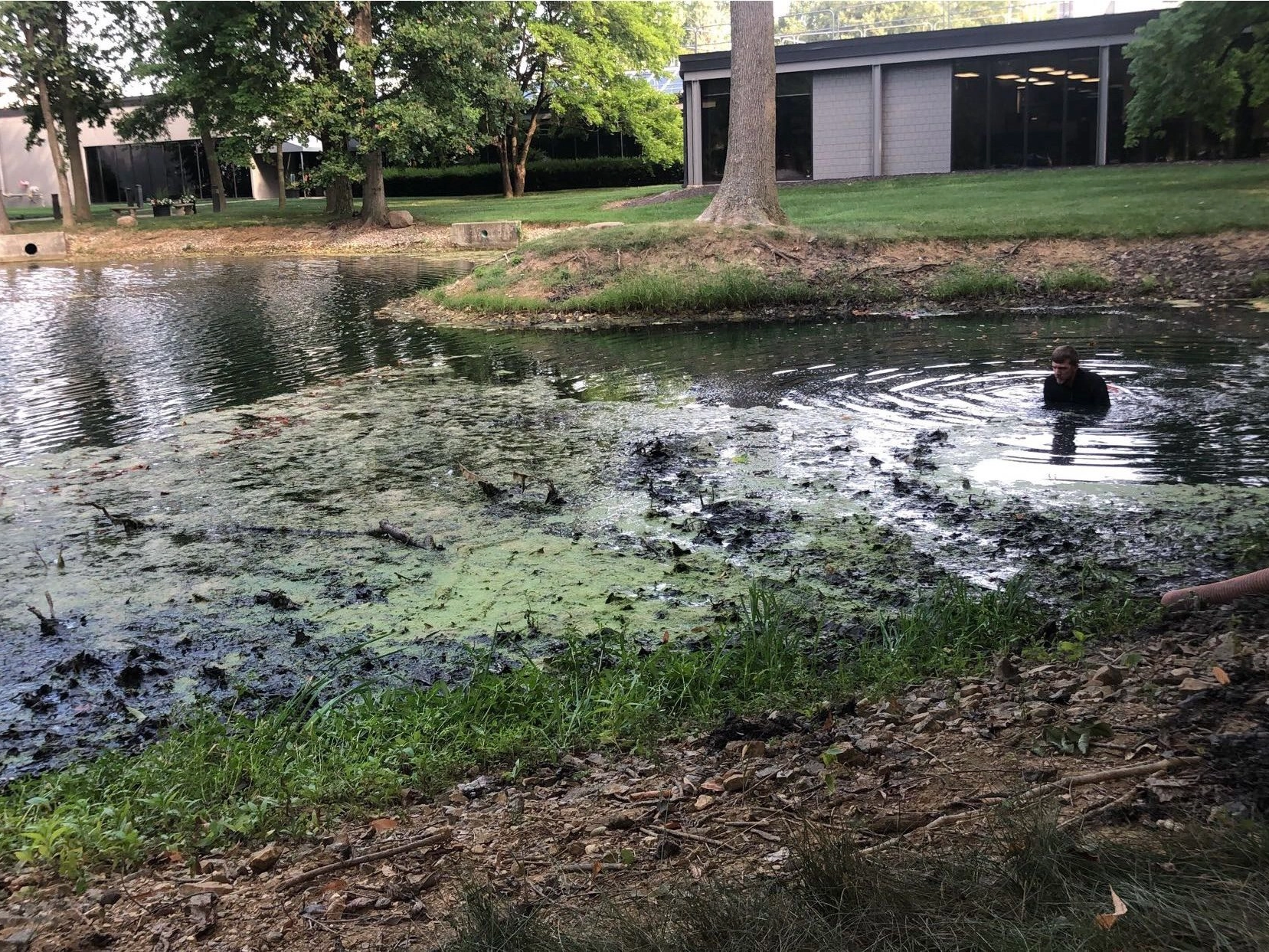
During Dredging: Immediate Sediment Removal

During the dredging process, we systematically remove sediment from the bottom of your pond. This clears away accumulated organic material and debris, improving water flow and reducing the potential for harmful algal blooms. Our method minimizes disruption to aquatic life and avoids damage to the surrounding landscape.
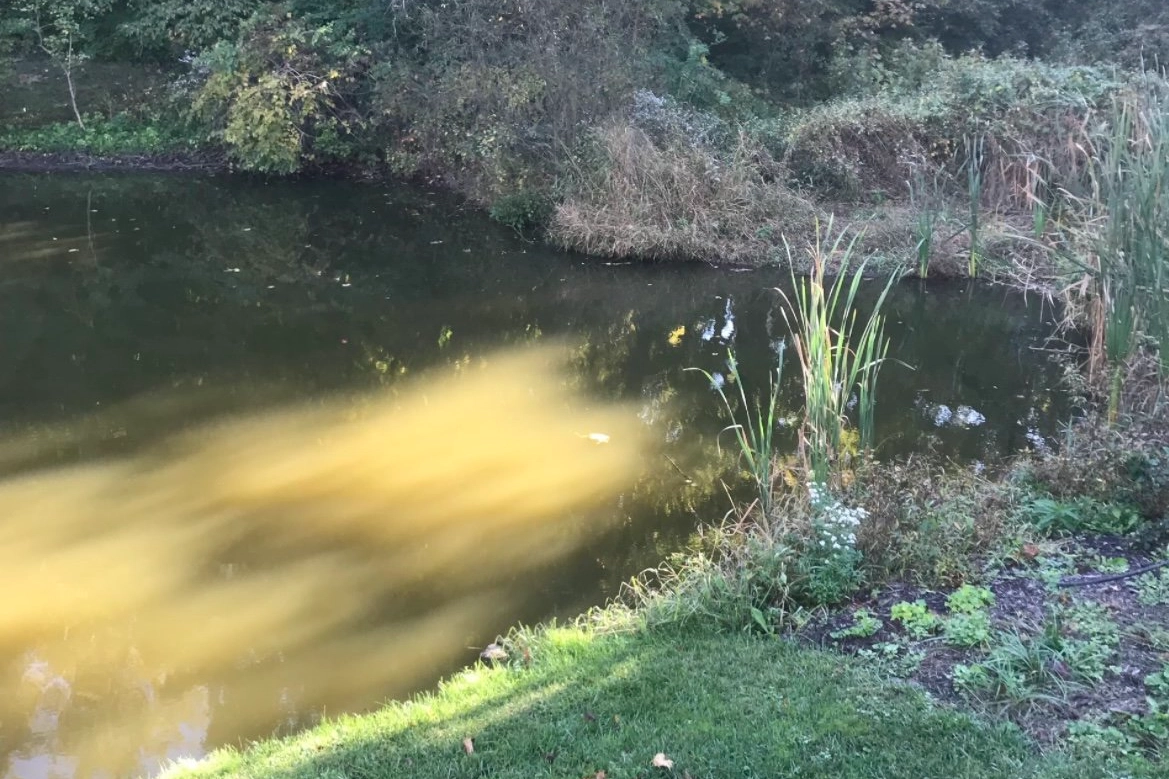
Clean Pond After

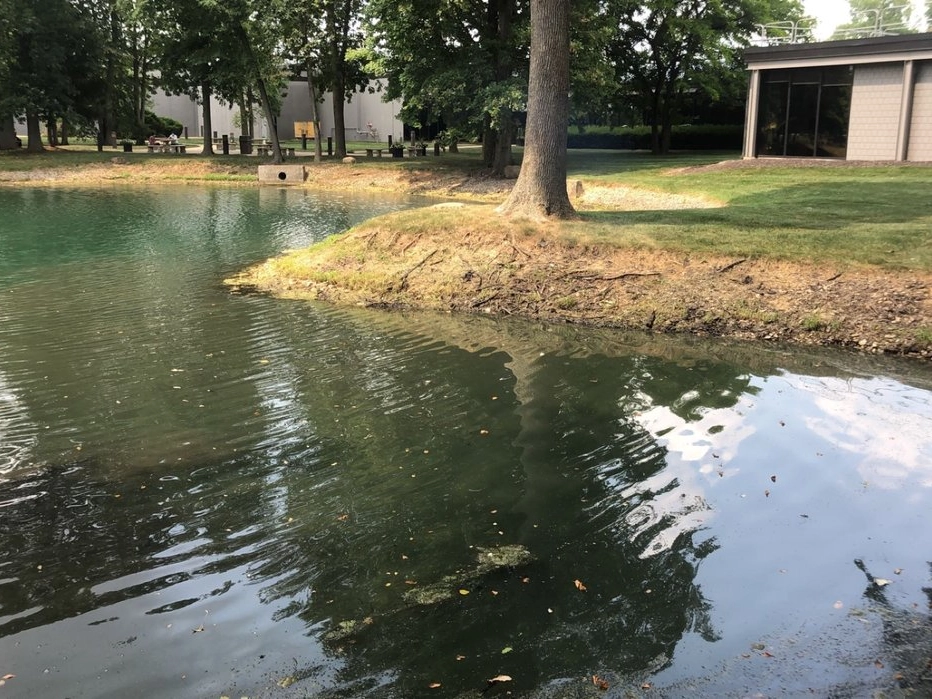
Right After Dredging: Restored Water Quality and Ecosystem

Immediately following dredging, you’ll notice clearer water and a healthier pond environment. The removal of sediment enhances oxygen levels and reduces nutrient overload, leading to a decrease in weed and algae growth. This creates a more balanced and vibrant ecosystem, supporting the health of aquatic life and plants.
Clean Pond Months After

A Few Months After Dredging: Long-Term Benefits and Enhanced Habitat

A few months after dredging, the benefits become more pronounced. The pond’s ecosystem will be more stable, with reduced levels of toxic gases and excess nutrients. Fish and other aquatic life will thrive in the expanded and revitalized habitat. The pond’s overall health and aesthetic appeal will continue to improve, reducing maintenance needs and supporting a sustainable environment.

What happens to the Muck?

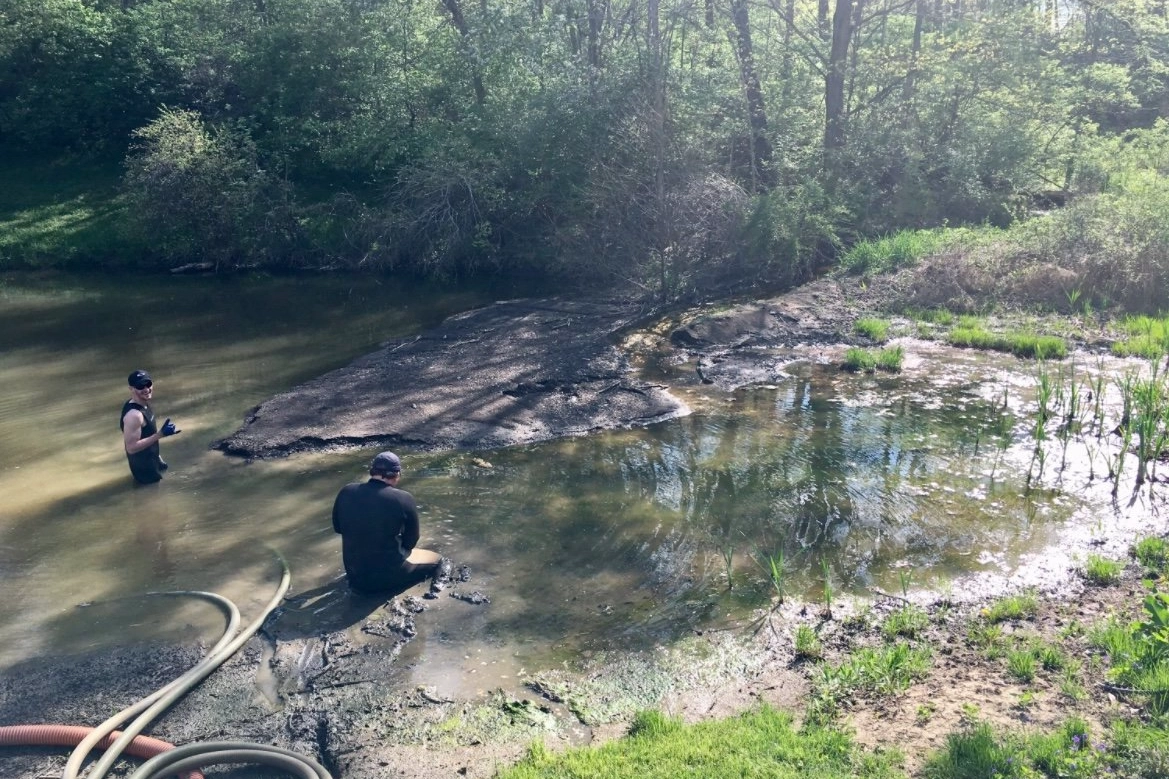
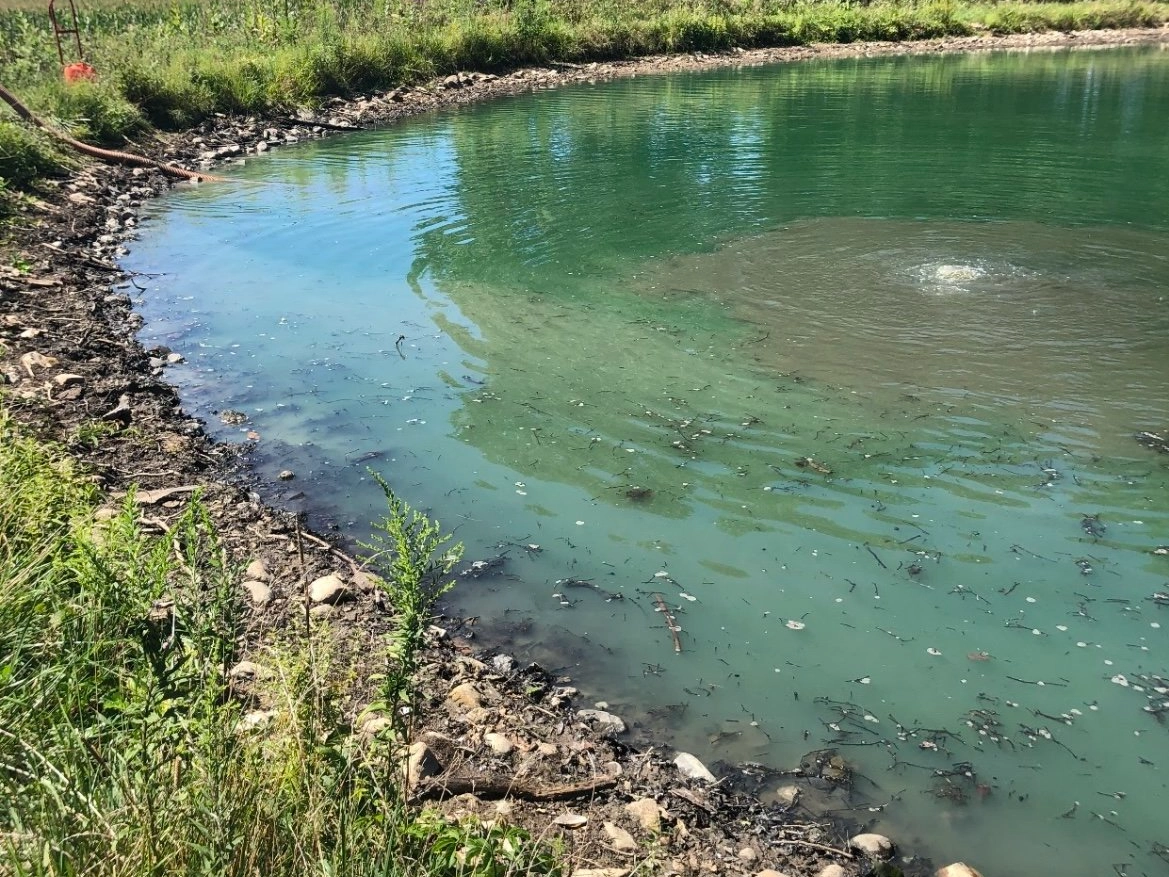
When sediment is removed from the pond, it comes out as a watery slurry, which naturally spreads by following the path of least resistance. As the water seeps into the ground or evaporates, what remains is nutrient-rich muck—an excellent organic fertilizer. We use several effective methods for handling this material:


Open Discharge: Pumping the slurry onto a flatland, field, or wooded area where it can naturally spread.

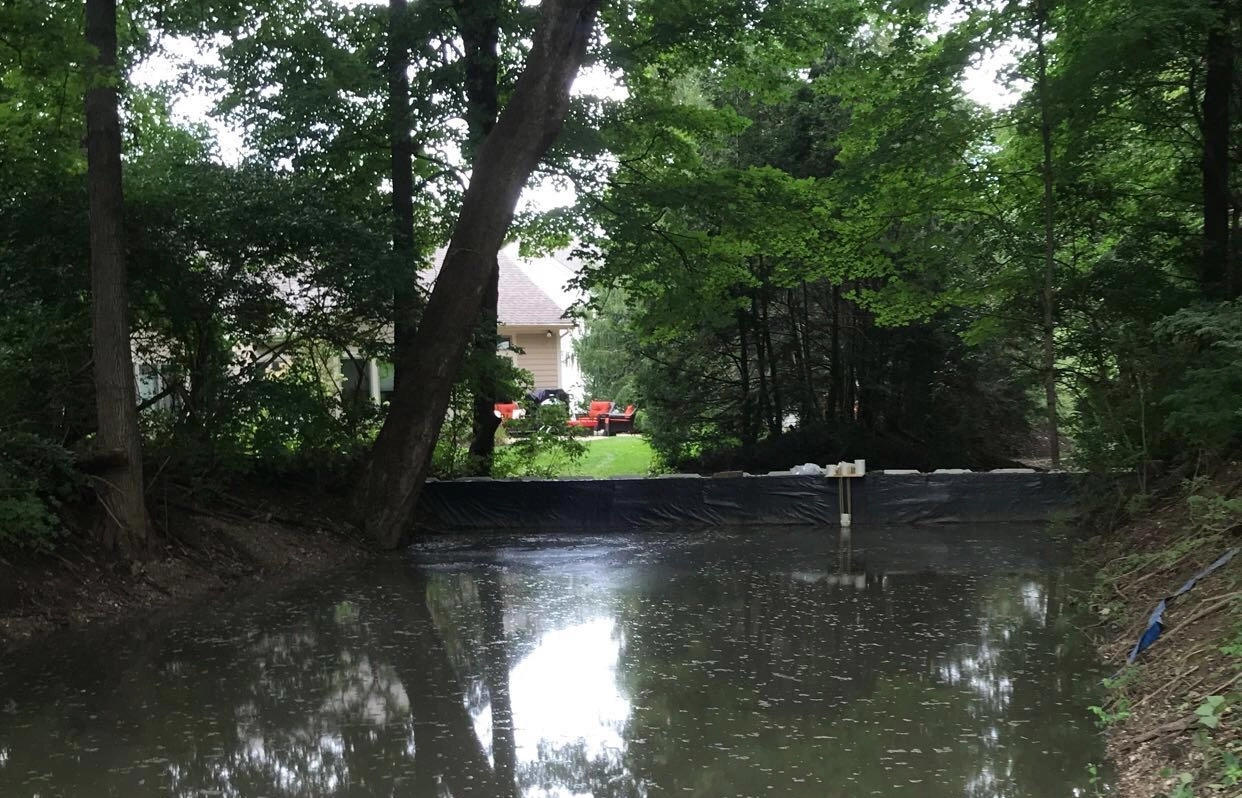
Reservoir Containment: Constructing a backstop with raised sides to hold the slurry in place. Once the material dries, it can easily be hauled away.

Geo-Textile Bags: Pumping the slurry into containment bags, which allow the water to drain while trapping the sediment. This method requires level ground or a leveled surface (e.g., with wood chips).

The choice of discharge method depends heavily on the terrain, ensuring the most efficient and environmentally friendly approach.
Muck Sediment Removal

Results You Can See

Before

After

Before

After

Get Your Pond Restored Today!

Ready to bring your pond back to life? Contact Ichthys Diving for a personalized consultation and discover how our eco-friendly dredging services can rejuvenate your water body. Our expert team is here to answer all your questions and provide the best solutions for your pond maintenance needs.

Frequently Asked Questions

Here are some questions we frequently hear from others. If you have a question that’s not included here feel free to contact us at (260) 220-8457

We can effectively clean ponds ranging from 1/8 acre to 10 acres in size.

With proper maintenance post-cleaning, our process can ensure your pond remains in good condition for 15-20 years.

Our system uses hydraulic technology to extract decaying sediment from the pond’s bottom. It targets specific areas efficiently and is environmentally friendly.

No, our method does not require relocating any aquatic life, ensuring minimal disruption to your pond’s ecosystem.

Most properties have sufficient space for on-site discharge. If not, we offer alternative solutions to manage the sludge such as pumping the slurry into a containment bag.

Because the sediment is in a liquid form, it disperses evenly across grass and trees, enriching the soil. It’s highly beneficial for plants and farmers.

We generally inspect only if there are concerns about the discharge area. However, our extensive experience allows us to accurately estimate cleaning time based on pond depth, age, and surrounding foliage. Most discharge site issues can be resolved over the phone.

No, we focus on the deepest areas where sediment accumulates most. Even partial cleaning can significantly improve pond conditions, as demonstrated by a client who only needed one day of service and saw lasting results.

We have removed up to 12 feet of organic sediment in some ponds. Most ponds typically have 1-3 feet of sediment.

Our system can pump sediment up to 2,000 feet, depending on the terrain and elevation.

Costs are determined on a daily basis due to the variability in pond conditions and sediment volume. This approach ensures clients are only charged for the actual time and materials used.

Over time, organic matter accumulates, creating a nutrient-rich compost that leads to excessive algae and weed growth, foul water, and potential fish kills. This natural cycle fills ponds with sediment and can be exacerbated during winter.

While aeration systems can help with gas control, they are less effective at removing sediment. Our system complements aeration by effectively cleaning the pond, making aeration systems more beneficial in maintaining pond health over time.

Mechanical excavators often drain the pond first to handle solidified sediment, which can be costly and disruptive. Our method uses water to efficiently remove sediment in a liquid state, avoiding the mess and high costs associated with heavy machinery. Our approach provides a cost-effective, less invasive solution.

Hours of Operation

Monday - Saturday: 8AM - 8PM
Sunday: Closed

Location

Marion, IN
©2026 Ichthys Diving – All Rights Reserved – Web Design by LitBiz Media